An analysis of influence campaigns across the globe
The six entries tagged Alignment Atlas map how states lean toward or away from the great powers: some bend with every wind, some cluster together, and a few, like the United States and China, set the wind itself. Read the Atlas introduction →
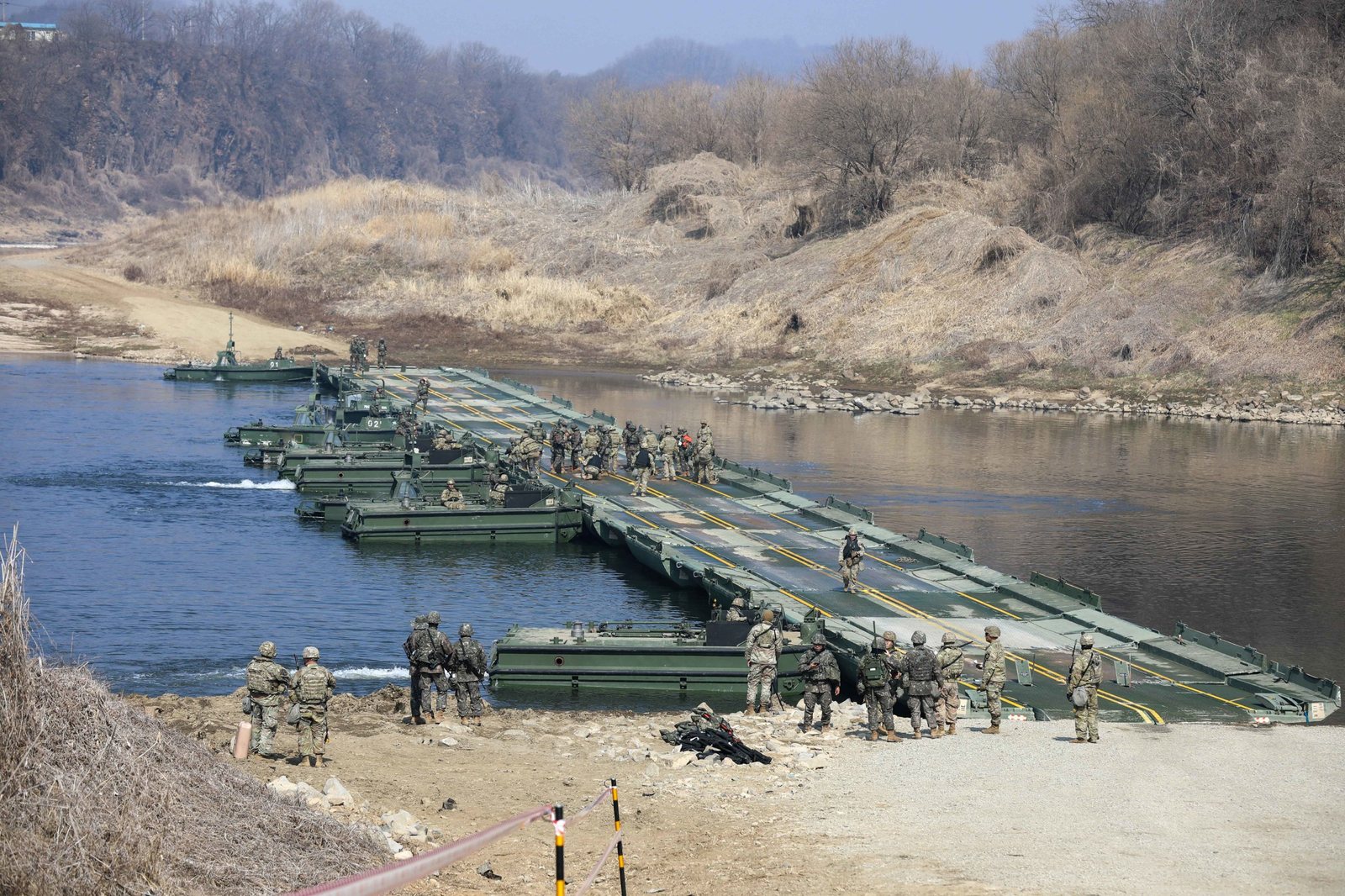
How China’s military-civil fusion strategy embeds strategic minerals, rare earths foremost among them, in state industrial groups, defence-related research networks, and downstream manufacturing.
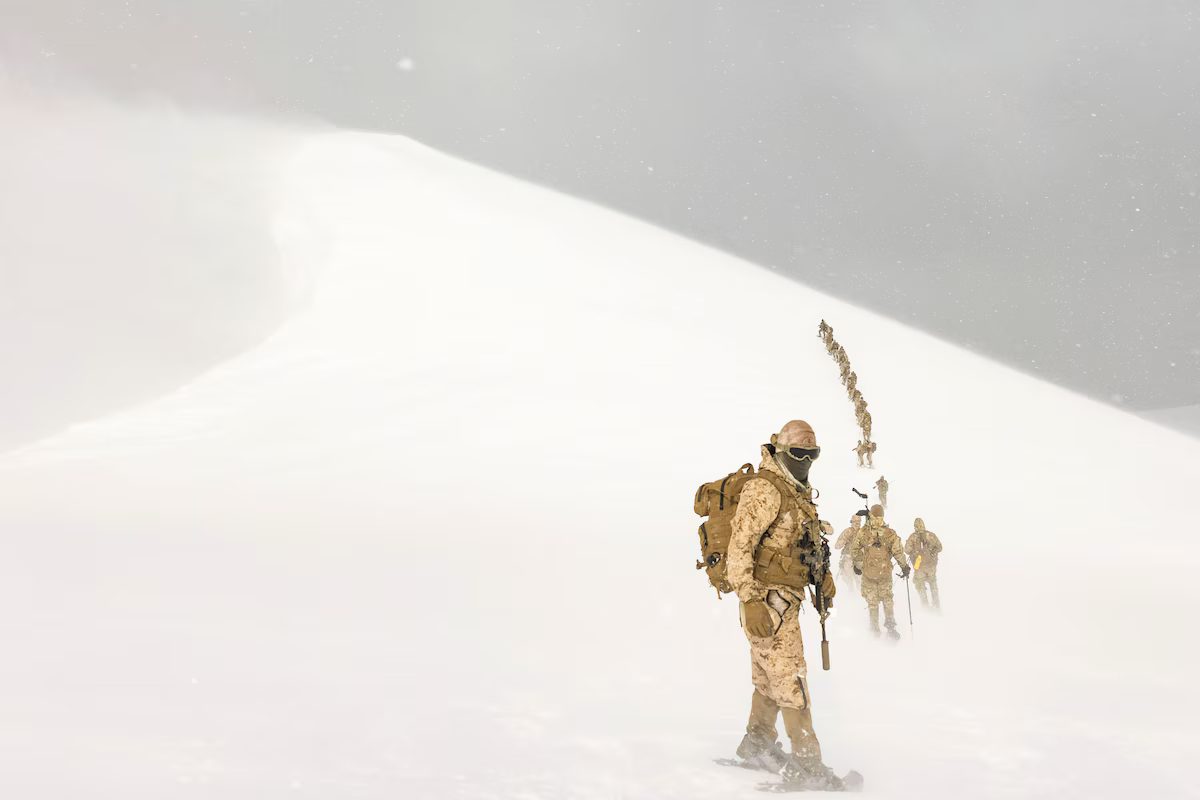
Read the essay →Sixteen US Arctic strategies prioritized either security and resources or cooperation and research. Under the current administration, the author finds, the Arctic rose in priority while the second pair was neglected.
Read the essay →Samsung and SK hynix run their China fabs under American licenses that now expire every year. Korea’s exposure, the author argues, is not a chokepoint but simultaneity.
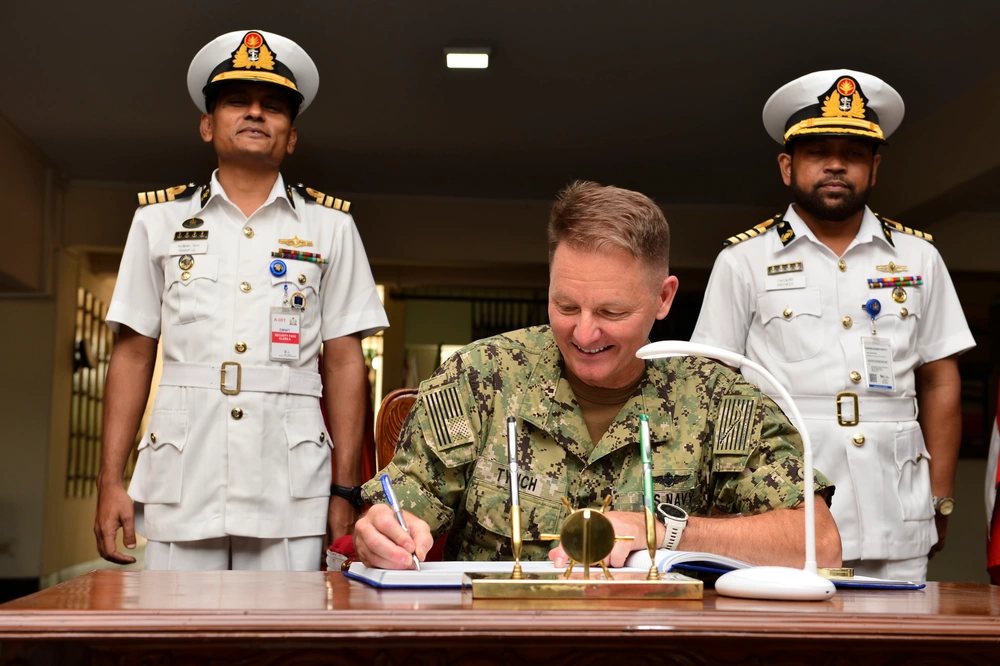
Read the essay →Chinese port, transport, and energy infrastructure builds durable incentives that progressively narrow Dhaka’s room to hedge, with no explicit coercion required.
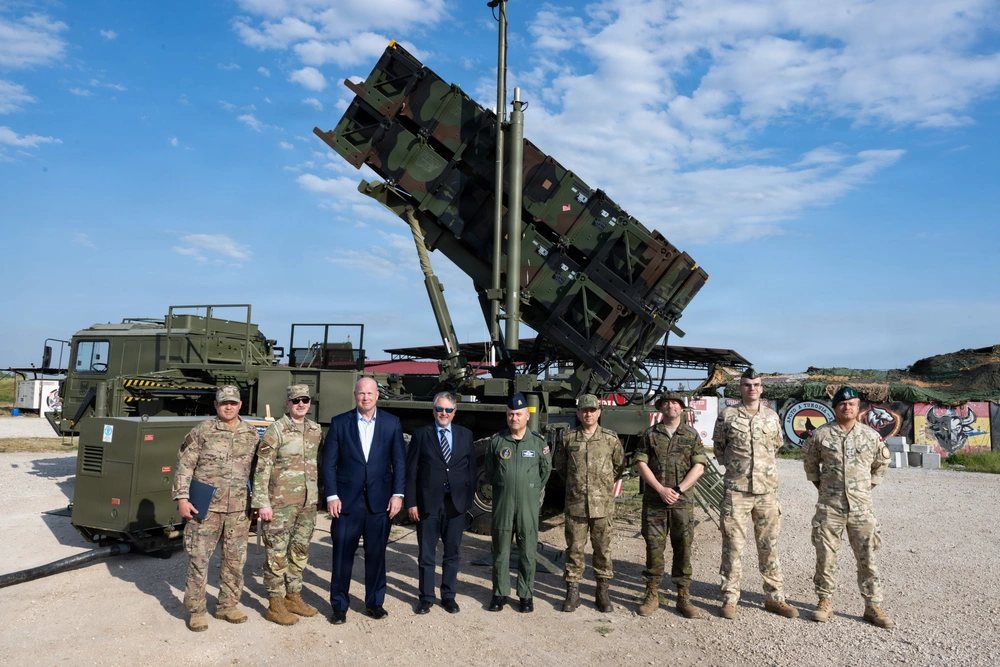
Read the essay →The S-400 purchase, the F-35 fallout, and what Ankara’s hedging does—and does not—show about its alignment with the West.
Read the essay →Morocco hedges between an American security guarantee and a European market while Chinese capital arbitrages the gap; Algeria is quietly swapping Beijing in for Moscow.
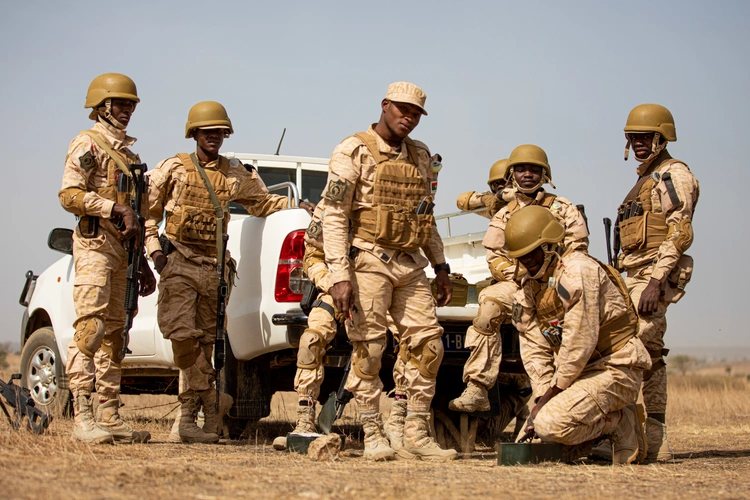
Read the essay →Russian-backed security actors have largely replaced Western ones in Mali, Niger and Burkina Faso, yet the security situation deteriorated sharply in 2026.
Read the essay →AGOA imports from South Africa have fallen sharply even as total US imports rose, while BRICS-linked financing keeps Pretoria anchored on both tracks.
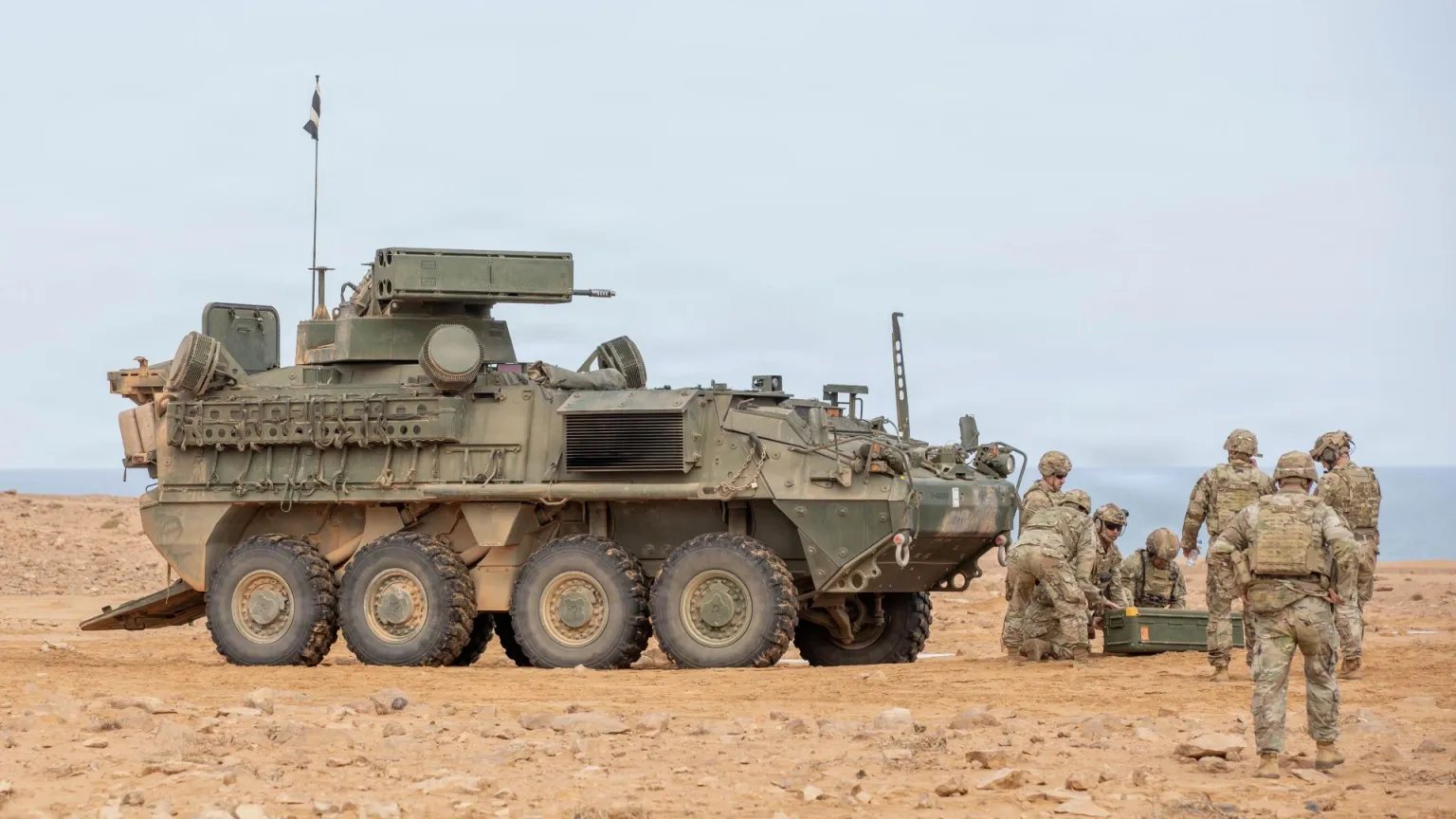
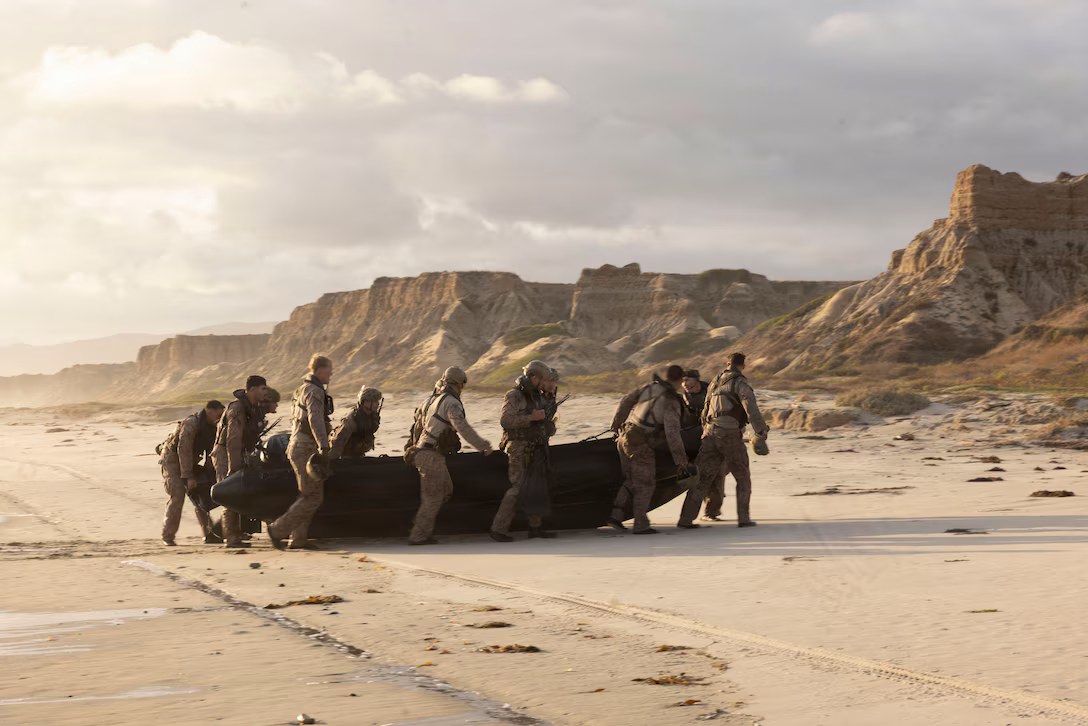
Read the essay →Photographs are credited in their captions. Those marked “File photo” are illustrative and do not depict events discussed in the essays; archival photographs carry their dates.
Georgetown University · Bilkent University · Columbia University School of International and Public Affairs (SIPA) · UC San Diego School of Global Policy and Strategy (GPS) · University of Vienna · The George Washington University · The Mackinder Forum · Futurale College · Middle East Technical University · United States Coast Guard Auxiliary · Rise to Peace · University of Melbourne · University of Denver, Josef Korbel School of Global and Public Affairs · Onero Institute · Northern Arizona University
Jack Lindstrom — Founder & Editor, Arctic Ledger. Master of International Affairs candidate, UC San Diego School of Global Policy and Strategy. Junior Researcher under Leonard Hochberg, The Mackinder Forum. Author of “Infrastructure as Alignment”; general editor of Arctic Ledger.
Mengmeng (Ivy) Wu — Master of International Relations graduate, University of Melbourne (2026). Research spans U.S.–China relations, technology and international security, digital governance, and IR theory. Contributed “Military-Civil Fusion in Mineral Extraction.”
Emma Loeber — International relations student, University of Denver’s Josef Korbel School, with interests in Arctic security, the Nordic countries, and peacemaking and conflict negotiation. Research Aide, Frederick S. Pardee Center for International Futures. Contributed “How Trump Has Drastically Diverged From US Arctic Policy and Where to Go From Here.”
Taeyoung Lee — Policy researcher based in New York; Master of International Affairs, Columbia University SIPA. Works with the Digital, AI and Innovation Hub at the United Nations Development Programme (UNDP); research focuses on the geopolitics of emerging technology in the Asia-Pacific. Contributed “Simultaneity.”
Fariya Chohan — Research Intern, Bilkent University; Political Science, Middle East Technical University (METU). Contributed “Türkiye’s Middle Ground.”
Souheil Mouhajir — African statecraft researcher. International Affairs & Data Science, The George Washington University (Elliott School), where he is a Presidential Scholar; Co-Director, Onero Institute Africa Program. Contributed “In the Maghreb, the Great Powers Are the Instruments.”
Dr. Sohail Mahmood — Political analyst, policy advisor, and academic leader; Futurale College, Montreal, and Northern Arizona University. Contributed “An Analysis of the Sahel.”
Catherine Boudreaux — International security graduate, Sciences Po (2025); previously an intern at Partnership for a Secure America. Contributed “South Africa – Dual Alignment.”